
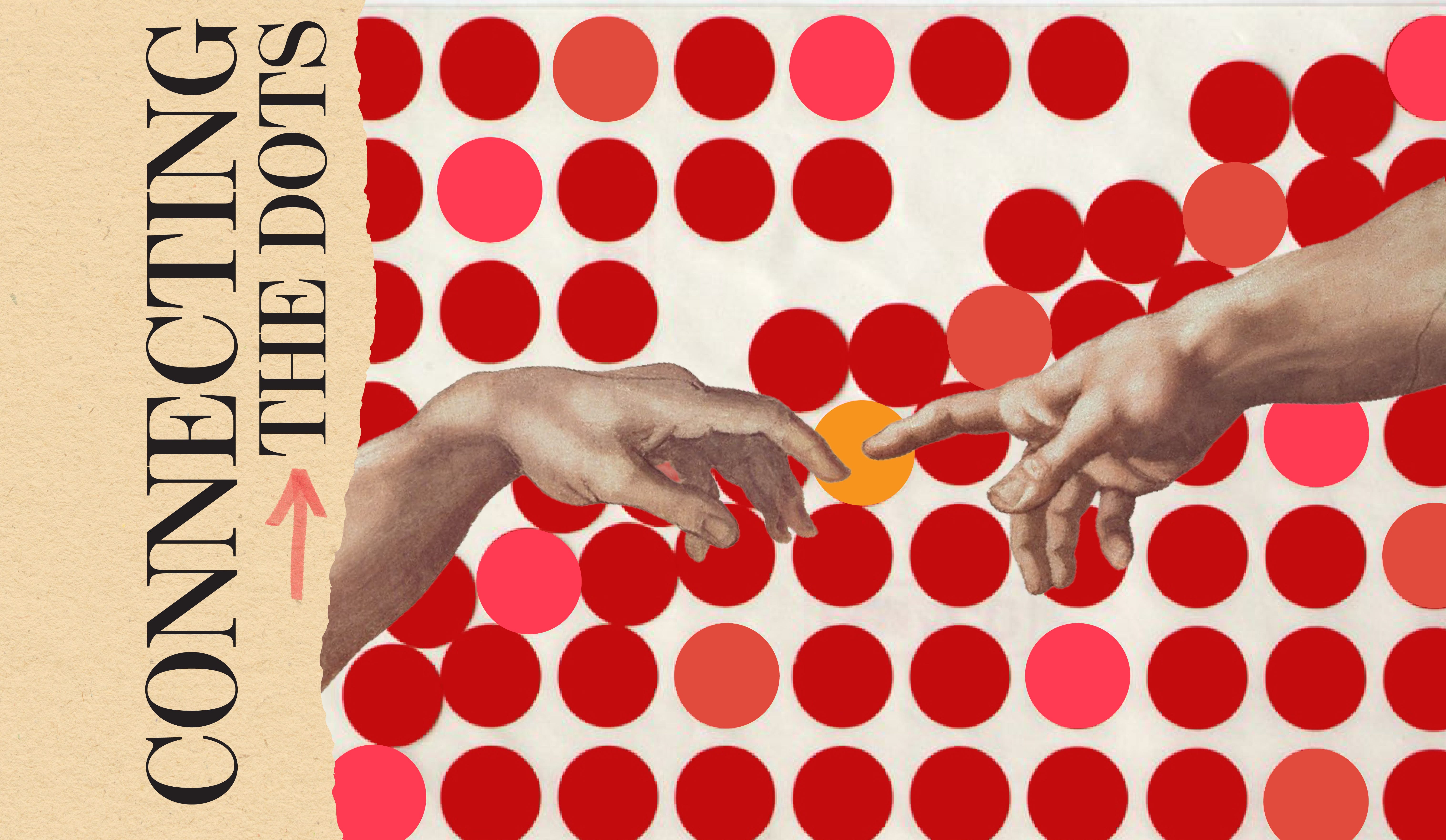
Connecting the Dots
Early consumer trends and cultural signals tracked by Gingergeist!
We have reached the end of the year! Gingergeist has now been in operation for about a year and a half, with the past six months focused on more frequent publishing and more precise signal tracking across food, retail, beauty, and wellness!
The following five callouts highlight moments where Gingergeist identified emerging cultural and consumer shifts while they were still forming. Each example pairs an early Gingergeist hypothesis with subsequent industry coverage, demonstrating how informed prediction is constructed by reading contextual clues, behavioral patterns, and cultural signals in real time. It is less about guessing and more about connecting the dots early. After all, we are forecasters!
Happy New Year! We look forward to providing you with additional cultural insight and forward-looking analysis in 2026!
1. Farm to Future
Gingergeist Early Callout (August 14, 2025)
In Farm to Future, we reframed “natural” as a future-facing systems story rather than a back-to-basics trope. The piece explored how regenerative agriculture, functional crops, ingredient transparency, and biotech-enabled farming were emerging as strategic growth levers across food, beauty, and wellness. In doing so, it shifted the conversation from farm-to-table marketing to farm-as-infrastructure thinking.
Subsequent Reporting
This thesis was later echoed in Lauren Ressel Castro’s LinkedIn post, 10 Natural Products CPG Trends Shaping 2026 (October 23, 2025), which highlights regenerative inputs, functional ingredients, and supply-chain storytelling as defining forces shaping the next wave of natural CPG innovation.
Why It Matters: “Natural” is no longer a brand claim: it’s an operational mandate. The competitive edge now lives upstream.
2. Meet Them Where They Are
Gingergeist Early Callout (September 11, 2025)
Meet Them Where They Are spotlighted that Gen Z retail growth would be unlocked not through traditional flagships, but through contextual physical presence: college towns, campus retail, pop-ups, and culturally relevant activations that meet young consumers inside their real lives rather than asking them to come to brands.
Subsequent Reporting
Placer.ai’s December 2025 report, Retail Trends to Watch in 2026, later confirmed that retailers expanding into college markets and hosting celebrity or influencer pop-ups saw measurable increases in Gen Z foot traffic, reinforcing our early signal around hyper-local, culturally embedded retail strategies.
Why It Matters: Distribution has become a cultural phenomenon. Where a brand shows up now matters as much as what it sells.
3. Caffeine Couture (October 8, 2025
Gingergeist Early Callout
In Caffeine Couture, we identified the rise of “little treat” drinks, iced coffees, matchas, and aesthetic caffeine rituals as a form of personal styling. Caffeine was positioned less as a functional stimulant and more as an accessory: mood-signaling, visually expressive, and deeply native to social media, particularly for Gen Z.
Subsequent Reporting
VinePair’s November 19, 2025, article, How ‘Little Treat’ Drinks Won Over Gen Z, reinforced this shift, noting how indulgence, customization, and visual appeal, not just energy, are driving beverage loyalty among younger consumers.
Why It Matters: Beverage brands are now competing with beauty and fashion for cultural relevance, not just functional need states.
4. Throwback Hair Hardware
Gingergeist Early Callout (October 9, 2025)
Throwback Hair Hardware flagged the resurgence of barrettes, clips, and visible hair accessories as a new luxury signaling zone—a blend of nostalgia, face-framing aesthetics, and cost-conscious indulgence in an era of restrained spending.
Subsequent Reporting
Business of Fashion’s December 12, 2025, article linked barrettes to runway validation from brands such as Miu Miu and Balenciaga, as well as to celebrity adoption by figures such as Dua Lipa, framing hair hardware as part of a broader cultural moment tied to body optimization and visual polish.
Why It Matters: Small, highly visible accessories are becoming powerful status signals as consumers trade down elsewhere.
5. The Brush Off
Gingergeist Early Callout (October 23, 2025)
In The Brush Off, we documented the quiet return of dry brushing as part of a broader analog wellness revival, favoring tactile rituals, lymphatic language, and self-guided body care over expensive devices or clinical interventions.
Subsequent Reporting
By December, dry brushing re-entered the mainstream wellness conversation through outlets like USA Today, which examined its role in lymphatic drainage and circulation (December 11, 2025) and Goop, which framed the practice as a potent, accessible self-care ritual in How to Dry Brush—and Why It’s So Potent (December 15, 2025).
Why It Matters: As wellness becomes more democratized, low-cost rituals with perceived bodily intelligence are gaining renewed credibility.
Taken together, these five examples reflect how Gingergeist approaches forecasting. We start with behavior, context, and cultural nuance, then build hypotheses before they are widely named or categorized. The goal is not to chase trends, but to understand how and why they form. As we move into 2026, this lens will continue to guide how we track what is emerging, accelerating, and quietly reshaping the landscape.
If you enjoy connecting the dots early, you can sign up to receive Gingergeist insights as they are published. For deeper collaboration or custom work, we would welcome hearing from you! Email us at gingergesity@gmail.com


