
Patch Power: When Under-Eye Masks Become the Look
When skincare wants to be seen.
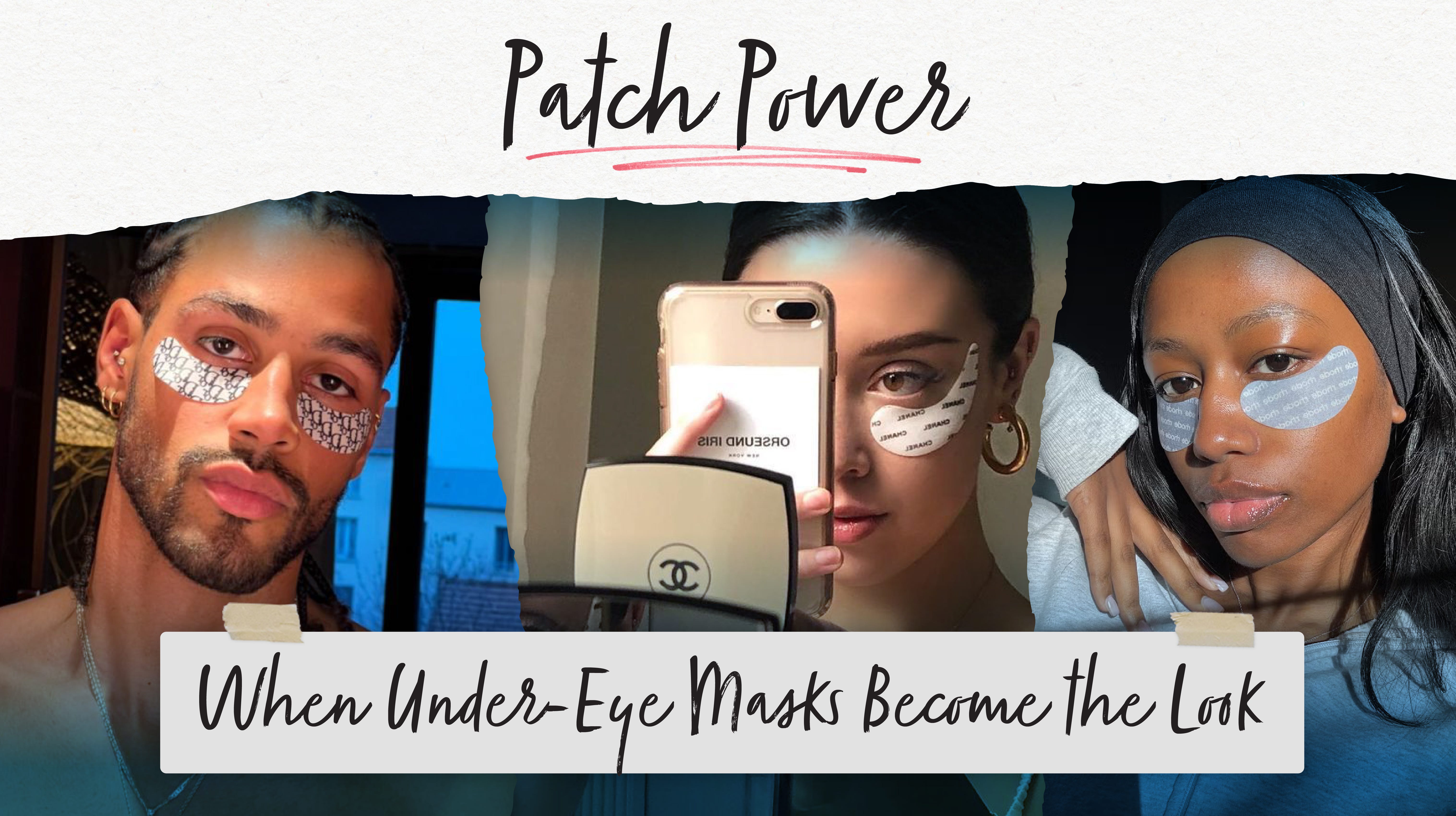
Once reserved for private routines, eye masks are now worn openly while getting ready, on camera, and across social feeds. As NewBeauty recently noted, a new wave of statement under-eye patches is emerging, characterized by bold finishes, sculptural shapes, and luxury cues that make them feel more like accessories than treatments. These patches are designed to be seen!
Luxury brands are leaning into this visibility, using skincare as an accessible entry point into their worlds. Dior’s eye patches and Chanel’s LE LIFT Flash Eye treatment function like micro-accessories, offering recognizable branding and status without the price tag of ready-to-wear. Modern skincare brands helped normalize this behavior. Dieux broke through in 2020 with its Forever Eye Masks, which became a pandemic-era staple across influencer feeds. Rhode builds on that visibility with its logo-forward Peptide Eye Prep, reinforcing the idea that skincare can double as wearable branding and signal alignment with a specific aesthetic and community.
Pop culture reinforces the shift. On the current season of The Real Housewives of Beverly Hills, Kathy Hilton was seen wearing Peter Thomas Roth’s 24K Gold Lift & Firm Hydra-Gel Eye Patches while getting ready on camera, with Sutton Stracke also appearing in prep scenes wearing under-eye patches. What was once backstage beauty prep is now part of the look.
As Glamour recently explored, growing comfort with logos on the face reflects a broader appetite for visible branding as a form of identity. Take Molly Sim’s Hero YSB “Overachiever Brightening Eye Masks.” A favorite of influencers and celebrities, the logos may well have helped solidify her brand notoriety. In this context, under-eye patches operate as low-commitment status symbols, signaling taste, brand fluency, and belonging in a single glance!
Why It Matters The rise of statement- and logo-driven under-eye patches signals that beauty is shifting from results-driven routines toward expressive, fashion-adjacent behavior. Skincare is no longer just about what happens after the product is removed. It is about how it looks when worn. As beauty continues to intersect with identity, aesthetics, and visibility, products that can operate as both treatment and accessory gain outsized cultural influence.


