


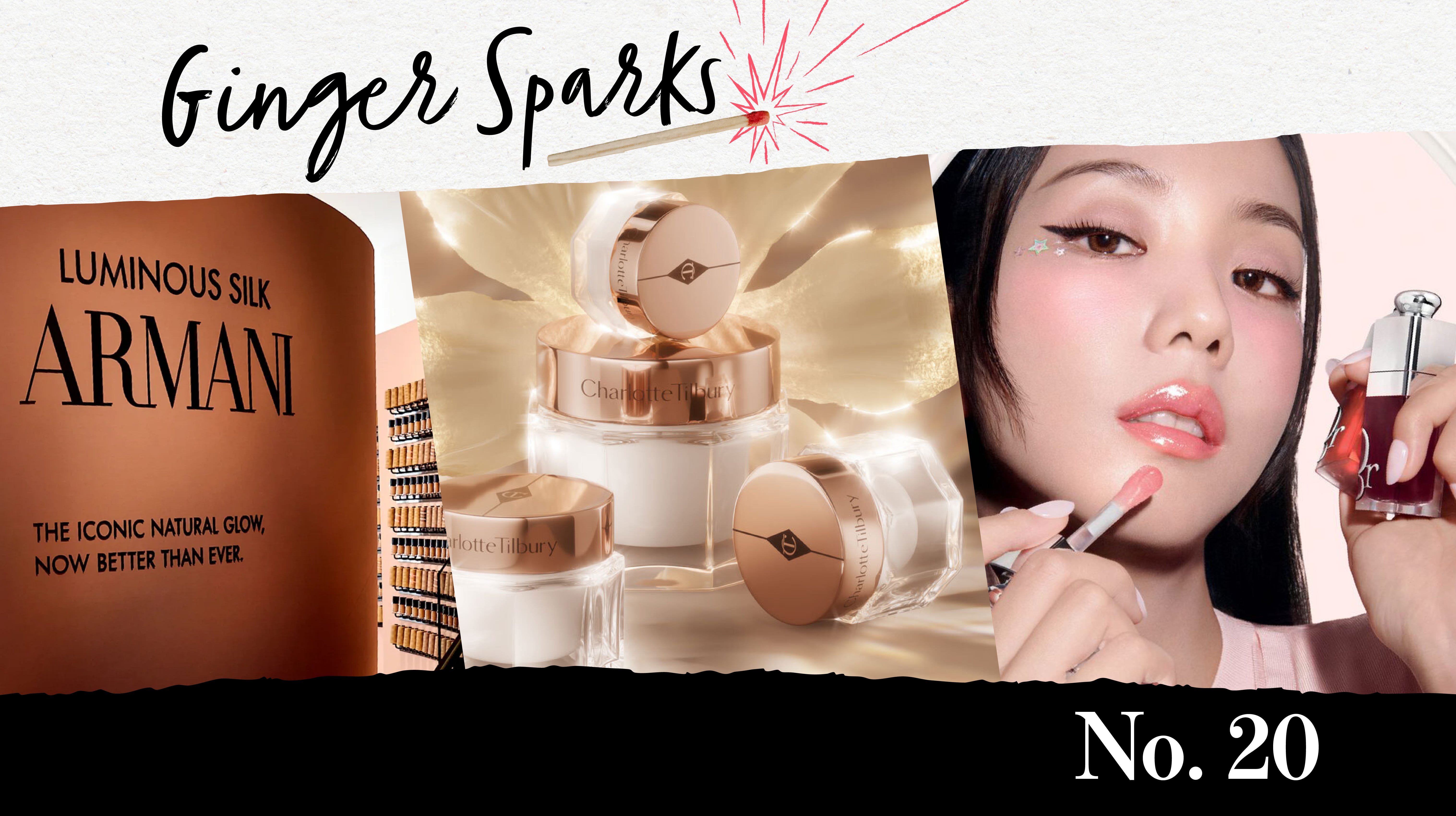
Major beauty brands have recently reformulated iconic hero products, driven by regulatory updates, cleaner-ingredient standards, and pressure to modernize without losing the loyalists who built them. Altering a staple product can alienate loyal customers if changes to texture, scent, or performance are detected. Those in the know remember what happened when Glossier went vegan with Balm Dotcom in 2023, swapping lanolin for a synthetic alternative and watching the internet revolt in real time. They quietly reverted to the original formula within a year. We tracked three of the most talked-about reformulations and what they actually mean for the brands behind them!
The Lips Have It
Dior reformulated the Addict Lip Glow Oil for early 2026, and honestly? We still remember the first time we tried it. Walking up to the Dior counter, twisting open that first tube, feeling instantly more polished, expensive, and very it-girl. That cool electric tingle settling into something pillowy and nourishing became a core beauty memory for an entire generation of consumers. Peppermint oil activates TRPM8 receptors, the same mechanism behind the lip-plumping sensation Gen Z has been chasing and duping for years.
The cultiness never really faded. Editors, makeup artists, creators, and celebrities kept it in rotation, while TikTok built an entire dupe economy around replicating the effect, finish, and feeling. Few products manage to feel both aspirational and universally carried at once. The new formula delivers 24-hour hydration across 16 shades in three finishes: Juicy (clear jelly shine), Sparkly (micro-glitter sheen), and Glaze (high-lacquer shine). Dior made it lighter, less sticky, removed Benzyl Alcohol, and kept cherry oil firmly at the center. A difficult balance when reformulating a product people are emotionally attached to.
We especially love Peter Philips’ approach to styling the new finish: “I like layering the sparkle oil over a lined or contoured lip and then keeping the rest of the face dewy with a hint of shimmer on the eyes to balance it out. Against matte skin, it looks too harsh.” Noted, and already testing. The one casualty: viral shade 020 Mahogany didn’t survive the reformulation, and the internet absolutely noticed. Sad emoji faces all around!
Ginger Spark: Dior managed to update a hero product without stripping away the fantasy that made people obsessed with it in the first place. Better sensory payoff, expanded finishes, lighter wear, while preserving the emotional ritual. That’s the challenge every beauty brand faces now: can you evolve a cult product without breaking the cult?

Foundation First
Two foundation legends reformulated within the last year, and the beauty community noticed immediately. Armani Luminous Silk, updated for the first time since its 2000 launch, now includes glycerin, niacinamide, and a non-comedogenic formula, and has expanded to 44 shades. Worth remembering that Luminous Silk launched alongside Pat McGrath in 2000 and spent the next 26 years untouched, which is practically unheard of in this industry. The reviews landed largely positive, which is no small thing for a product this embedded in people’s routines. Luminous Silk launched alongside Pat McGrath in 2000 and remained untouched for the next 26 years, which is practically unheard of in this industry.
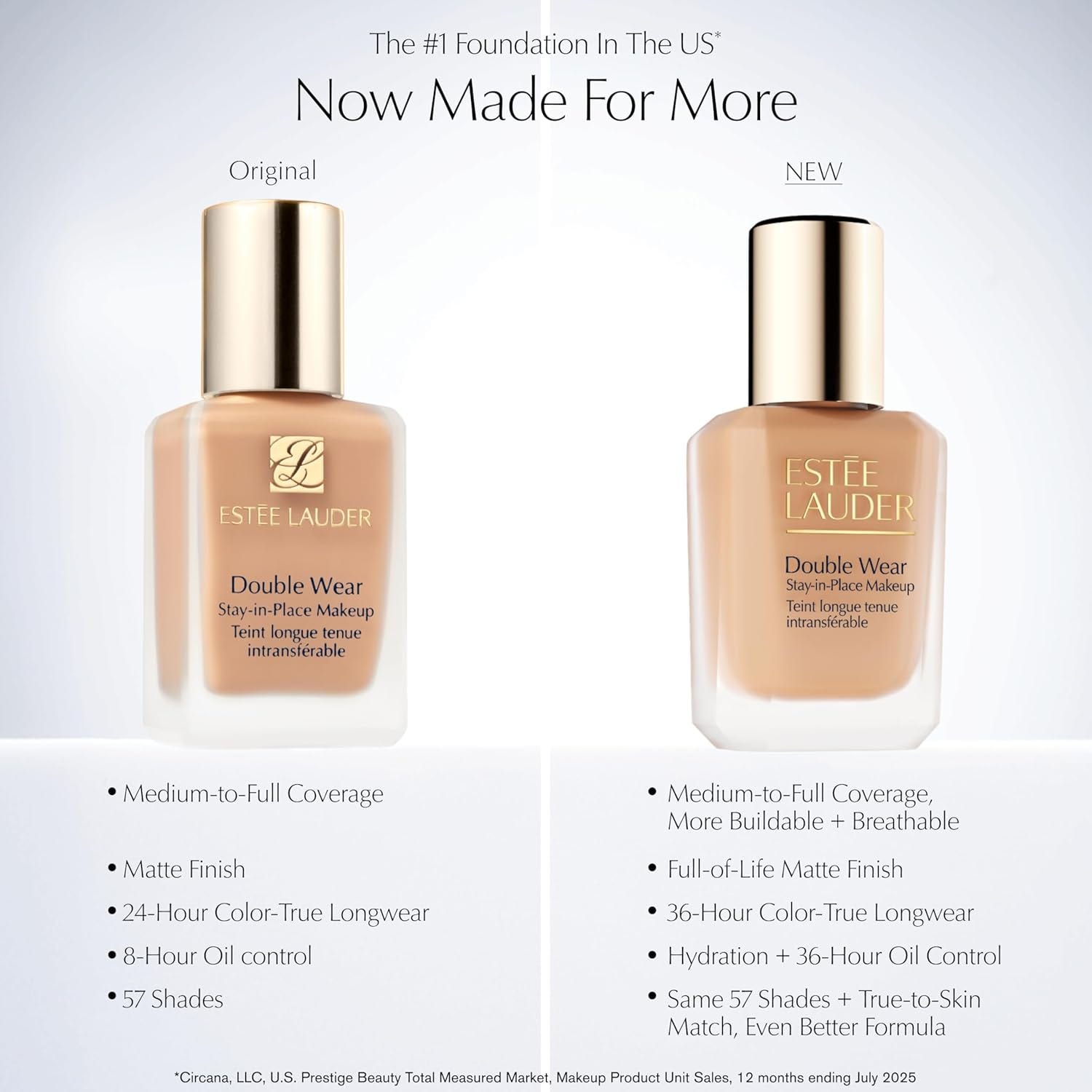
Estée Lauder’s Double Wear took its first significant update since 1997, introducing a 70-shade range, polymer mesh matrix for 36-hour wear, glycerin, hyaluronic acid, and niacinamide. On paper, a strong upgrade. In practice, longtime users report that it’s not giving what the original gave. A reminder that loyalty runs deeper than ingredient lists. Foundations are the hardest category to touch. They sit closest to identity. When NARS Sheer Glow briefly disappeared from shelves, the panic was real!!!! TikTok spiraled, users scrambled for alternatives, and the brand had to step in and confirm the product was not going anywhere. That level of response tells you everything about what a foundation means to the people who depend on it.
Reddit has become the most honest mirror of the beauty industry. Reformulation xreactions surface there first, unfiltered, and brands would be wise to treat it as an early warning system before the rollout rather than a damage report after.
Ginger Spark: Foundations are the one category where “new and improved” can feel like a personal betrayal. Loyalists don’t read ingredient lists. They remember how a product made them feel as they walked out the door. When a reformulation breaches that contract, no shade range expansion or clinical upgrade can quietly recover it. The brands that get this right treat reformulation like a relationship conversation, not a product launch. The ones that don’t find out the hard way on Reddit.
Making New Magic?
Charlotte Tilbury’s Magic Cream built an empire. The hero product that launched an entire marketing universe around the word “magic” just got its most significant upgrade yet, and the industry paid attention. The new formula adds Recoverstem Peptide, derived from the stem cells of the Eternal Jasmine Youth Plant, promising intense long-term results and what Tilbury calls a “face lift in a jar” effect. According to Cosmetics Business, the reformulation took ten years of research to land. This wasn’t a regulatory scramble. This was a deliberate, proactive upgrade of a product that didn’t need fixing but got better anyway. Reviews confirm it. And the price didn’t move despite the addition of expensive new ingredients, which in this climate deserves its own mention.
Ginger Spark: Tilbury didn’t announce the upgrade; she put it on Facebook first. Models and celebrities, including Teyana Taylor, wore the new cream at high-profile events two months before the official launch, quietly generating the kind of desire that no press release can manufacture. Charlotte has been quoted as saying, “They’d ask, ‘What are you using on me? How are you creating this glow?” We’d say, not only is that type of real-world beta testing smart, but it should be the norm when innovating on perfection. When the product already has a cult following, the smartest move is to let the skin do the talking long before the campaign goes live.
Do you have a reformulation that won you over, or one you're still not over losing? Tell us in the comments. We want the receipts.
