


Our lineage is confessional—It Happened to Me, Say Anything, “Confessions of…” —but our beat is business: insiders, receipts, and the plays that actually move units and services. Some interviews are anonymous for candor; roles verified.
The Insider
Oral health has moved from the back of the medicine cabinet to the front of the camera. Veneers trend. Aligners get unboxed. Whitening hacks go viral. The business of dentistry has quietly become a powerful engine within the beauty economy.
For our first medical professional to go on record, we’re sitting down with Dr. Donald A. Lucca, DMD, MS. He is a second-generation dentist with 23 years in private practice, advanced training in implants and cosmetic dentistry, and consistent peer recognition as a top dentist in the Hudson Valley. His work spans prevention and transformation, giving him a clear perspective on what lasts and what’s marketing. We asked him about fluoride wars, purple toothpaste theater, veneers ethics, and what actually holds up over time!
The Interview
Toothpaste wars: fluoride vs. hydroxyapatite (HAp) vs. “natural”—who gets your vote and why (match the active to risk profile)? I’m a fluoride guy. The positive effect of fluoride on tooth decay is indisputable. From children consuming high rates of sugary foods, sodas, and sports drinks …to an aging population with increases in medications that can negatively affect the PH of the oral cavity… fluoride is the best defense. Since HAp pastes tend to contain a low level of abrasives, they could be good for maintaining the luster of existing porcelain restorations.
With fluoride back in the spotlight, how do you see prevention evolving? Hydroxyapatite, more sealants, changes in recall cadence, or a return to brushing basics? I can see more states jumping in as well. Don’t necessarily see it as a bad thing as long as you’re brushing with a fluoridated toothpaste. HAp pastes are good for reducing cold sensitivity. However, it’s not FDA-approved due to insufficient studies. HAp pastes have been banned in the EU due to potential soft-tissue penetration, but have been modified for research using different ingredients. It’s expensive, and the cost-to-benefit ratio as a stand-alone paste isn’t there at this time. Sealants are especially important for children due to their higher incidence of sugary diets. For patients with a high caries index, sealants are strongly recommended. We also recommend electric toothbrushes with built-in timers. Many people don’t brush for 2 minutes, but a timer forces you to, resulting in more effective, thorough brushing.
Gum health vs. fresh breath: what actually helps long-term, and what looks good on the label but backfires? Gum health is directly correlated to fresh breath. Bacteria that build up in gum tissue can aid in bad breath. Mouthwashes can be an effective short-term adjunct for fresh breath, but many contain alcohol and can irritate soft tissues. Keep your gums healthy with flossing, brushing, and a Waterpik to minimize bacteria trapped between the gums and teeth. Digestion, GERD (Gastroesophageal Reflux Disease), can also negatively affect one’s breath.
Purple toothpaste truth: optical color-correction or whitening theater: when (if ever) do you recommend it, and what’s the caveat? Sometimes intrinsic stains (e.g., tetracycline) and old fillings, pitted teeth, etc., do not respond well to whitening. Porcelain veneers (feldspathic) can dramatically transform a person’s mouth and appearance in a matter of a few visits. Whitening is a great option for those who want to achieve a minor shade correction.
Sensitivity truth: in-office bleach vs. trays vs. strips. What actually minimizes zingers? In-office whitening offers a quick and predictable result in just one hour. Trays offer the same results but may take up to two weeks to achieve them. In-office and trays provide more powerful concentration gels for faster, more robust staining. Strips are a good, cost-effective alternative, but only for mild staining because of their lower concentration. We recommend using a desensitizing toothpaste starting a few weeks prior to whitening to limit post-operative sensitivity
Stain & sensitivity triage: red wine at 5 pm, event at 7—what’s real vs. myth, and your damage-control script? Red wine can stain teeth … some more than others. If you have an event, try to avoid the pregame red wines. If you couldn’t resist, rinse with water, then gently brush with a baking soda paste (baking soda and water slurry) for a few minutes. Brush gently to avoid damaging enamel.
Oral care goes luxury: as basics become “luxe ritual,” which premium products genuinely improve outcomes, and which are vanity-counter theater? Not sure about any “improve” outcomes! Other than a good lip balm, wasting a lot of money on products that provide little to no benefit over traditional products.
Wellness-style dental clinics are uptrending: what spa-like upgrades (lighting, scent, amenities) improve care/compliance—and what’s one upgrade you’d skip? I’ve seen all types of “dental spas” … offering paraffin waxing, pedicures, acupuncture, baked cookies, lattes, etc. If that’s your thing, go for it!
Keep / Kill / Scale & Why!? Purple color-correcting pastes/ Hydroxyapatite toothpastes /Whitening pens/strips
Purple color-correcting toothpastes don’t whiten teeth as people may think. It may provide a very temporary optical illusion to negate yellow hues in teeth. Salvia will wash it away quickly. Same with whitening pens … salvia and lips will remove gel, offering little to no benefit. Whitening strips are effective for mild staining, but some may find it hard to keep them on their teeth for the full treatment time.
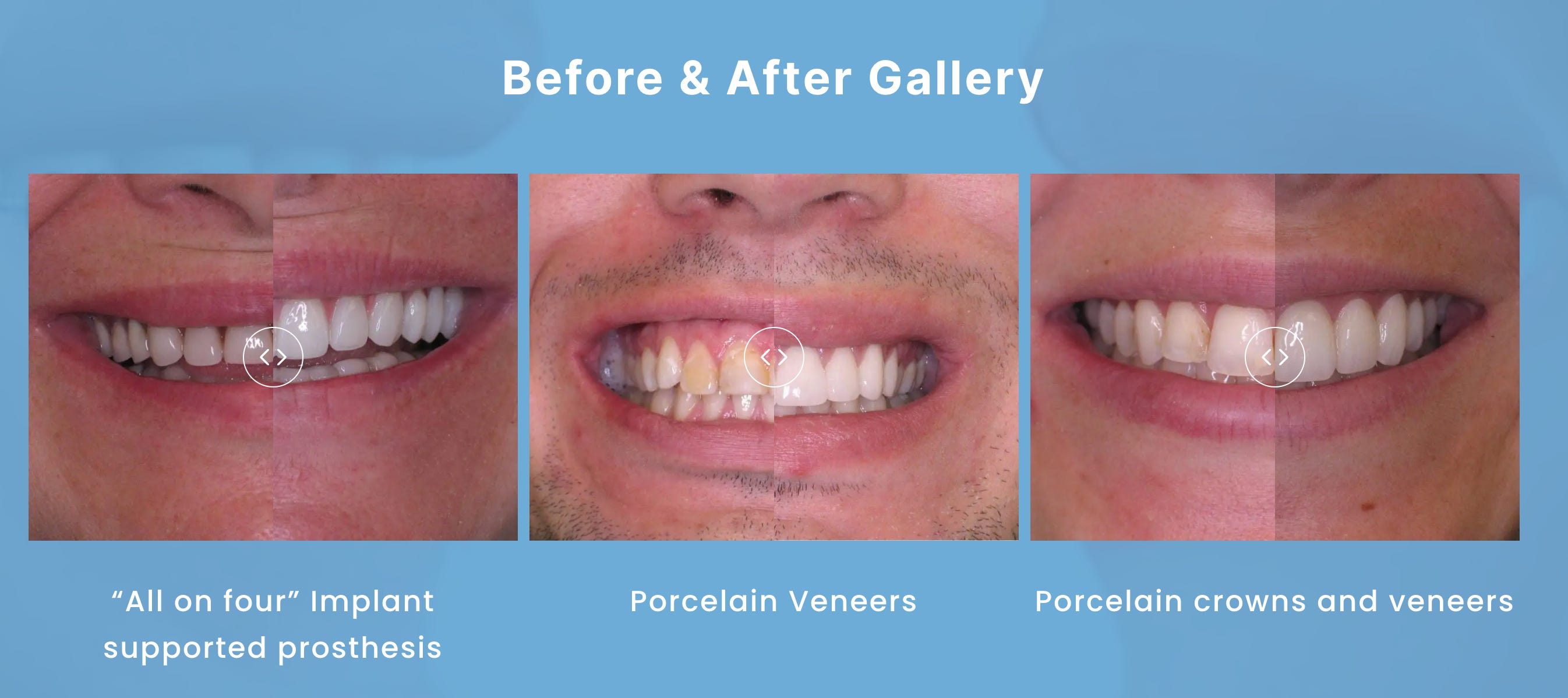
Natural vs. “too white”: What makes a smile look expensive and real instead of “chiclet white,” and how do you pick the right shade on your shade guide (VITA chart) to get there? If can’t be achieved through whitening and/or ortho correction (Invisalign), Feldspathic veneers are the best option to provide the most life-like outcome. Size, shape, shade, translucencies, anatomy, etc., are all based on lip/smile line, facial characteristics (shape/size), existing teeth, skin tone, and even hair color.
Aligners before veneers: when do you insist on moving teeth first, and what are the red flags if patients refuse? When teeth are malaligned to the point where too much tooth reduction will be required to give a desired outcome. We want to remove as little enamel as possible to increase the bondability of veneers to the tooth. Excessive tooth reduction can lead to debonding of veneers. Moving teeth with significant spacing is important to give an optimal outcome.
Natural-looking refinements: what minimal shaping you recommend vs. when you steer to ortho or veneers—and how you explain long-term tradeoffs. Veneers are a lifelong commitment. One can expect chipping or breakage … requiring new restorations. Gum recession over time can also affect the aesthetic appearance. Once we remove tooth structure, you can’t get it back. If the patient has beautiful teeth but is out of alignment, and we can predictably move them into a good aesthetic position, oftentimes that’s all that’s needed … while saving tooth structure.
Education kit: if you built a “veneer aftercare” box, what’s inside (paste, rinse, polish, guard, recall cadence) and what’s marketing fluff you’d skip? Toothpastes that are not abrasive! Sensodyne and some of the HaP pastes. Floss is essential for gum health, helping limit recession around veneers. An occlusal guard is recommended to prevent porcelain chipping due to bruxism.
Before/after ethics & social proof: lighting, lip-filler timing, Photoshop/AI touch-ups—what’s your no-cheat policy? We use natural light to shade-match natural teeth to porcelain restorations. Patients who recently had lip filler should wait at least two weeks before dental work to prevent filler migration. As far as Photoshop/AI? You can create a virtual mock-up of before-and-after procedures, such as whitening, Invisalign, veneers, etc. Keep in mind it’s a rough estimate of the actual outcome.
Medical tourism: when can it make sense, and when is it a hard no? What records do you want in hand (x-rays, pre-prep photos, shade map, materials/warranty)? How do you price repair vs. redo, and what’s the most common fix you see, plus your prevention script? Ugh … overseas treatment is the worst. Sure, you may save money, but you’ll pay if things need to be redone! The standard of care is not the same. If someone is coming into my office who had treatment elsewhere (out of town), previous records are a must, especially if it’s aesthetic or surgical. I’d like a shade of the existing restorations and a shade map, if possible, to give the ceramist as much information as possible to try to match the existing porcelain. For implants, the manufacturer, abutment size, and type are specified. The more info, the better the outcome. A “hard no” for treatment would be when the patient has unrealistic goals.
Do you get high on your own supply? Name the service/product you personally use (or have used) and one you skip and why. I bounce around with Colgate and Crest toothpaste mainly because of taste. Sonicare and Oral-B iO series toothbrushes.
Last confession: one true thing about this industry that would get you yelled at in a meeting, and the receipt that proves it. Any restoration will ultimately break down and will need to be replaced… nothing is forever! Teeth take a beating over the span of your lifetime. We try to maintain patients’ oral health as best we can through routine preventive care, during which we can diagnose potential issues.
We’re gathering intel from the people who actually keep beauty moving—product developers, sales teams, educators, artists, practitioners, and anyone working in the beauty industry. Got receipts, confessions, or a truth from the front lines? Send it to gingergeisty@gmail.com
