


Hey Gingergeist readers, thank you for being here and for all the support that keeps this newsletter going. This one goes a little deeper than usual, so part of it sits behind the paywall for paid subscribers. If you've been on the fence about upgrading, this is a good one to jump in for. Either way, we're grateful you're reading.
The Breakup Nobody Needed
Ulta is leaving Target this August, and the read online has been a “surprising breakup.” The partnership was a pandemic artifact from the start. Ulta’s doors went dark in 2020 while Target stayed open as an essential retailer, and the highly anticipated August 2021 launch solved that moment’s problem, not 2026’s. The buzz was real; over 50 prestige brands rolled into the first 100 stores, and by 2022 both companies had set a public goal of 800 locations. The depth never caught up to the buzz.
Growth landed at 610 stores, nearly 200 short of that original goal, and stayed there through the wind-down announcement. Most of those stores also sit within a few miles of an actual Ulta, so the redundancy was baked in from day one. Five years later, both sides are calling the split mutual because neither wants to say it plainly: this never needed to work long term, and the numbers show it never quite did.
Building Its Own Authority
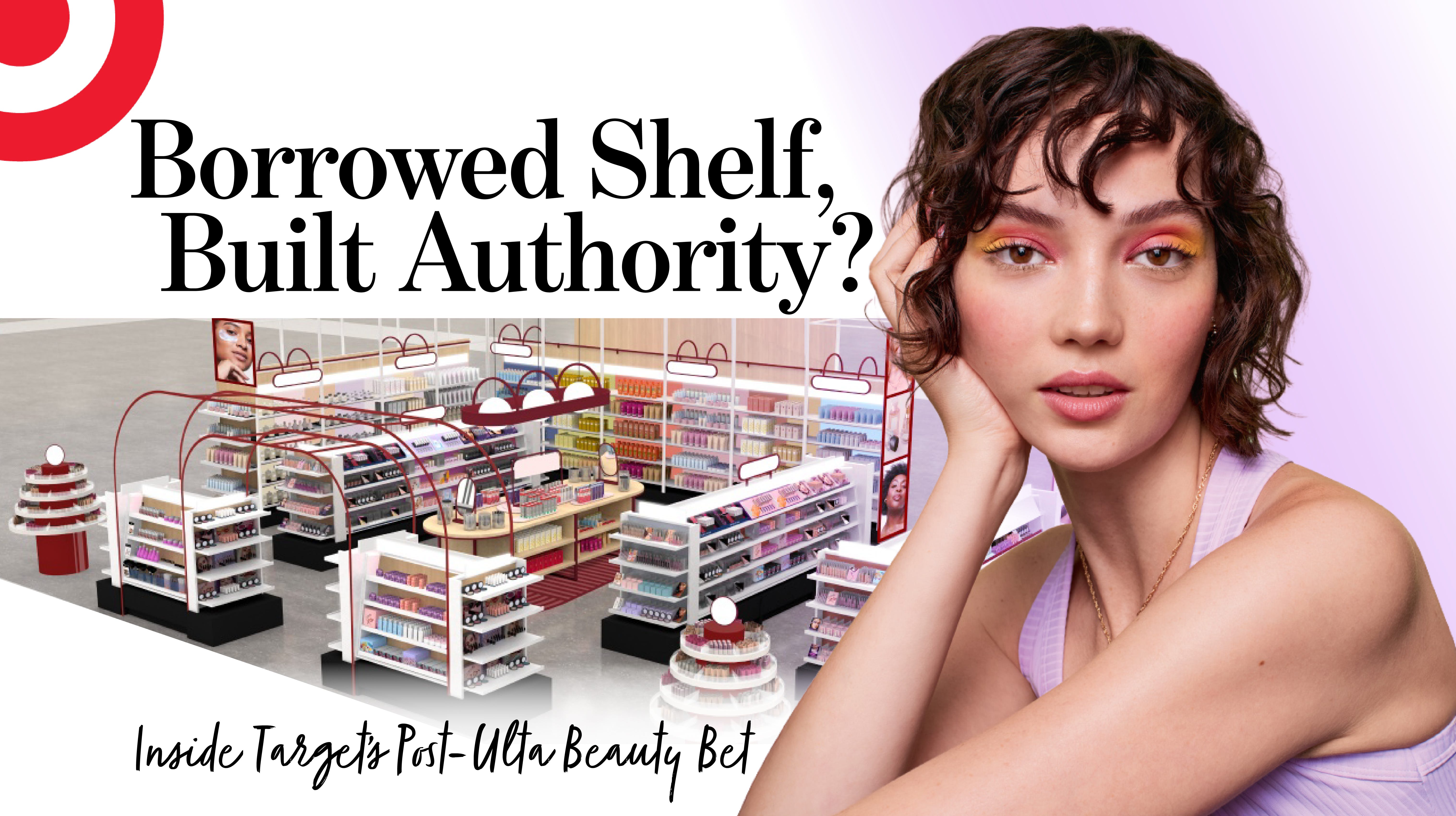
Target Beauty Studio launches across roughly 600 stores by autumn, pairing 80 existing beauty brands with 60 new to the retailer, on top of the 3,000 products and 60-plus brands (Supergoop, Morphe among them) already added for spring. Over 90 percent of that assortment is under $20, and this is the actual story:
Target is no longer renting someone else’s beauty authority. It is building its own, with receipts to back the attempt.
Target’s own framing calls it a prestige beauty destination, not a mass reshuffle, promising “elevated, prestige products and trend-driven innovation across skincare, haircare, fragrance and cosmetics.” That language already had a marketing push behind it: a New York Fashion Week activation at Target Soho, held in February, with Jodie Turner Smith, Rachel Zoe, and Lana Condor among the guests. That is real budget behind a launch, not a quiet shelf reset. The timing tracks with where the category is actually headed: more guests are seeking prestige beauty items, and Circana research found prestige beauty retail dollar sales grew 4 percent year over year to reach $36 billion in 2025. With Beauty Studio, Target is aiming to build authority across both the prestige and mass markets at once, not just backfill the SKUs Ulta is taking.
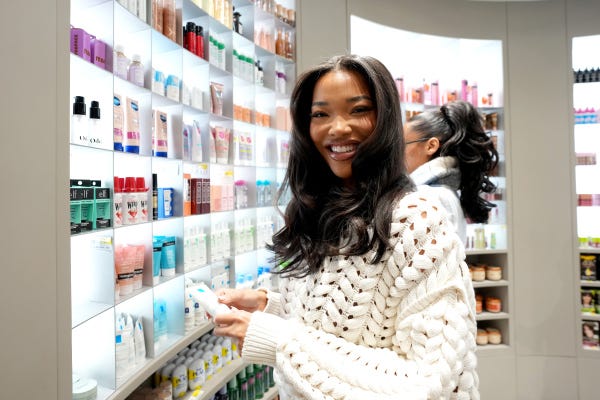
The rollout copy also promises dedicated, knowledgeable beauty staff and a beauty-specific Circle rewards program, worth side-eye, not face value. Trained staff is the first promise every beauty relaunch makes, and the first to be cut once the labor budget is revisited. Believing it will take more than a press release. The stores are bright, aisles are wide, and the product mix is already showing up on TikTok, proof that someone on Target’s beauty team did their homework instead of just signing off on it. Maybe they read Gingergeist? We flagged this instinct in How Wellness Is Reshaping Retail Strategy in 2026, where Target’s supplement and wellness tech buildout showed the same pattern: infrastructure over spectacle, repeat behavior over discovery theater. Beauty Studio reads like that same playbook applied to the category Ulta is leaving behind.
What the Shelves Actually Show
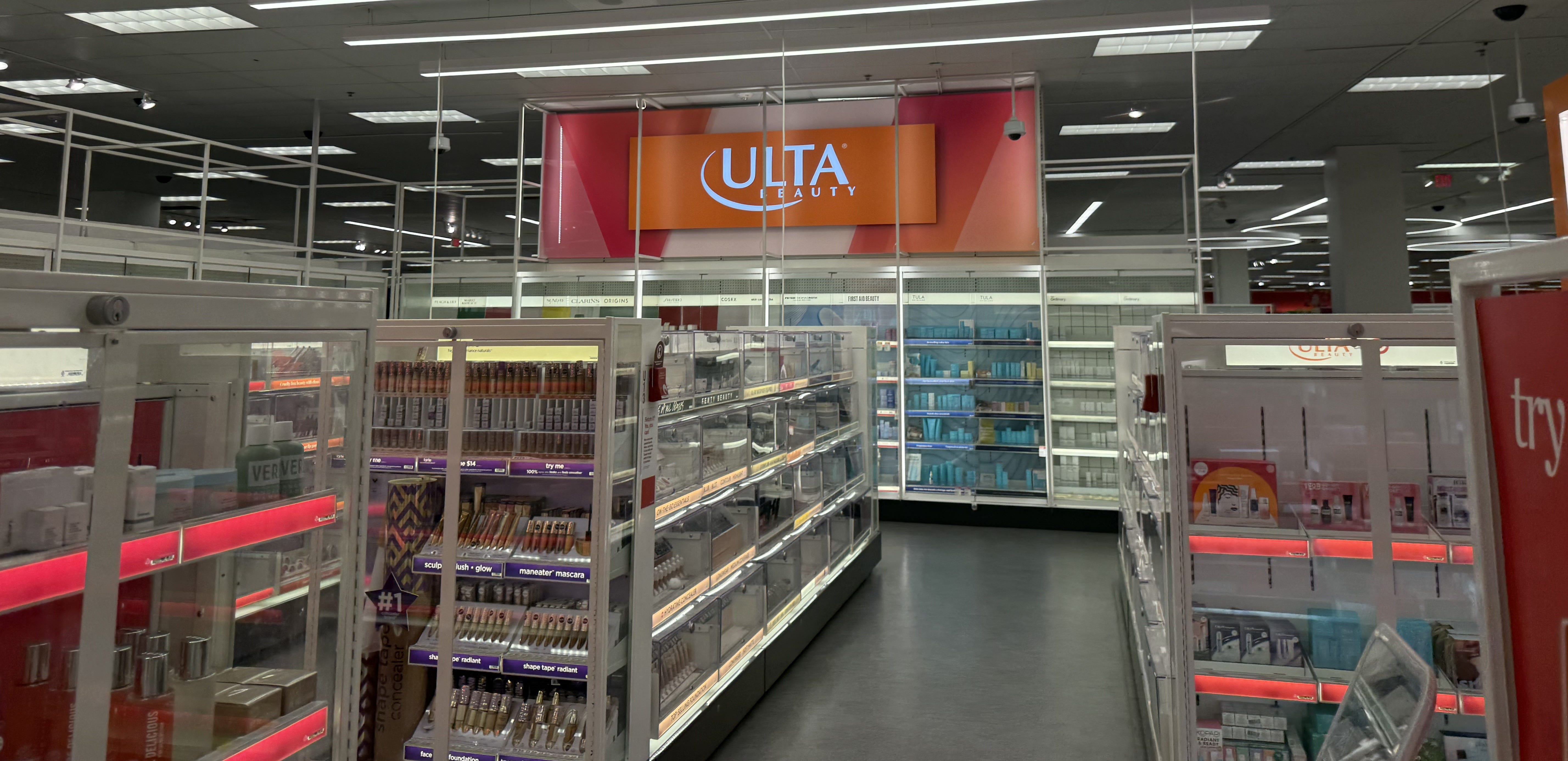
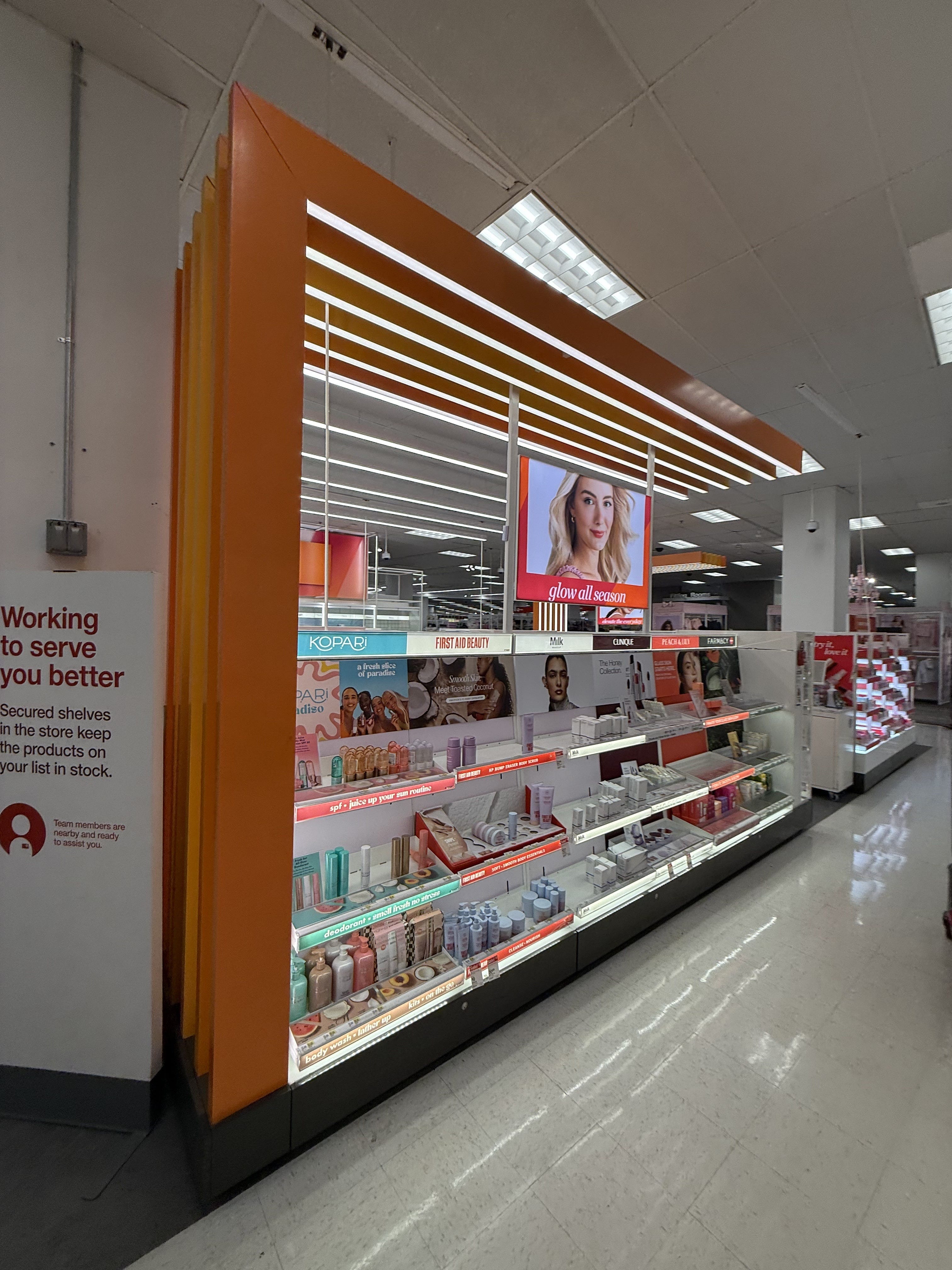
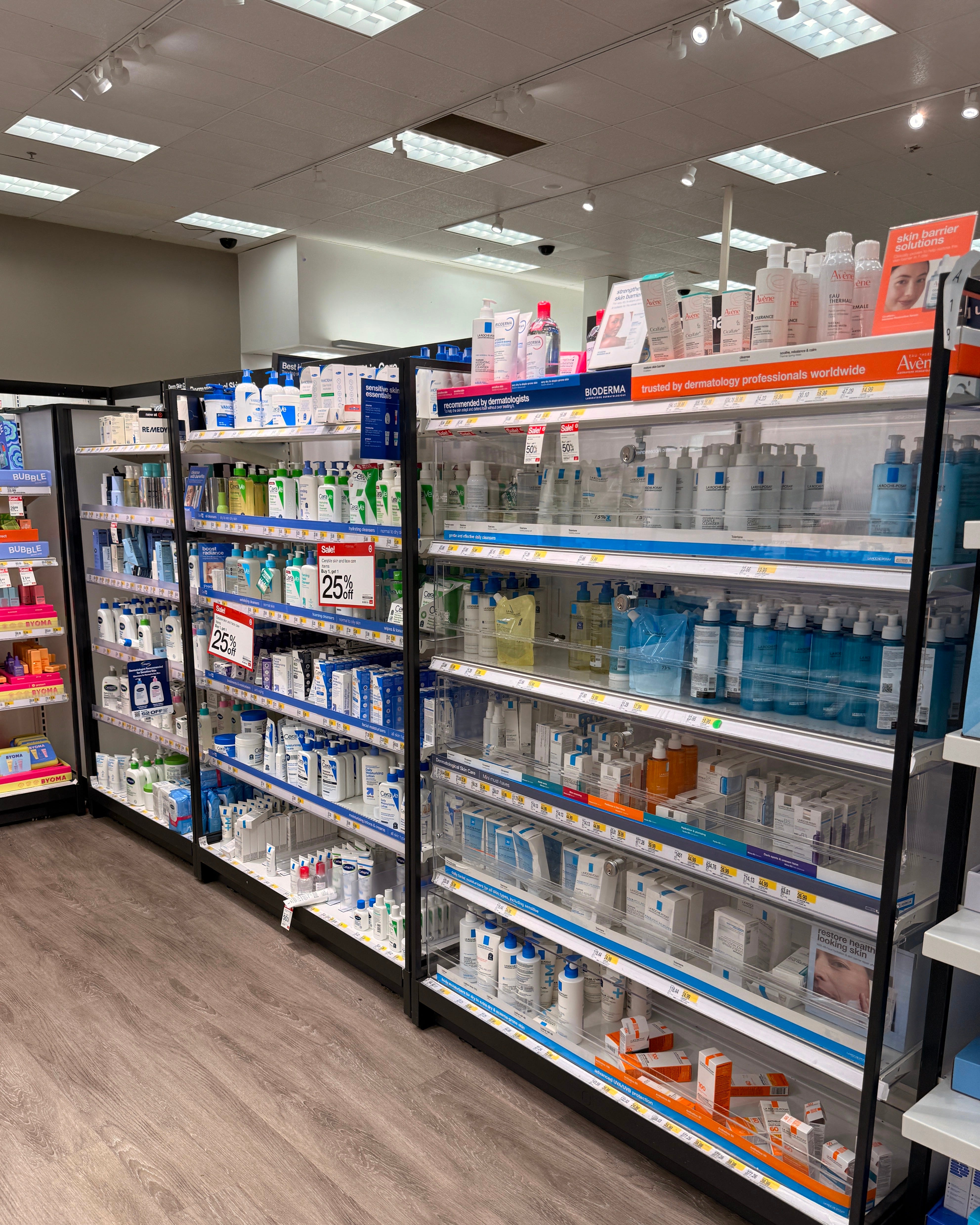
Gabrielle went hunting at her local Target this week to see the outgoing Ulta shop firsthand, and one detail told the Gingergeist team more than any press release. Nearly every fixture, Kopari, First Aid Beauty, Milk, Clinique, Peach & Lily, Farmacy, SITS BEHIND LOCKED ACRYLIC. A nearby sign frames it as a service: “Secured shelves in the store keep the products on your list in stock.”
That is theft-deterrent lockup dressed as convenience. Whatever this is, it is not a luxury beauty experience, and no amount of prestige branding on the endcap changes what it feels like to ask an employee to unlock a case for a $9 concealer.
Locked cases are not a neutral loss-prevention choice either. Retailers that have leaned hardest on them typically lose 15 to 25 percent of sales on locked items, according to anti-theft technology CEO Joe Budano, and fewer than one in three shoppers actually bother to find an employee to unlock the case. More than half just give up and try another store entirely. CVS itself has started piloting app-based unlocking for loyalty members, a tacit admission that the friction was costing more than the theft. Messy merchandising and locked glass send the same message: browse elsewhere. There is also a more basic inconvenience worth naming. A Sephora or Ulta shop-in-shop rarely lets a customer return a Sephora item or complete a Sephora transaction with the same ease as they would inside an actual Sephora, since a different company runs that footprint. That friction, not just the lock-and-key, is part of what a shopper is quietly weighing every time she decides whether beauty is worth the trip.
By Michelle, Target never carried Ulta, so that store is already living a few steps further into the future the rest of the chain is heading toward. The brand list reads like a group chat everyone actually wants to be in, kids and adults both: Byoma, Bubble, Good Molecules, Hero’s Mighty Patch, Supergoop, Curology, e.l.f.’s new “beauty edit” endcap, and a Being x Frenshe wellness table stocked with gummies and mood-based skincare. It is buzzy without being a carbon copy of the algorithm, and there is still something left to discover.
What remains to be solved is the presentation. Sections read as cluttered rather than curated, and the same locked glass cases reappear on dermatological skin care, La Roche-Posay, Bioderma, and Avene, sealed behind acrylic doors, proving the security friction is not unique to the outgoing Ulta shop. The assortment instinct is there, but merchandising discipline is the part still catching up.
The Beauty Rebuild Playbook
Jamie and Michelle have both seen a version of this challenge from the inside at different points in JCPenney’s history, both on the beauty side of the business. This is not one person’s read on an old job. It is two people who separately watched this exact category evolve at the same retailer and then compared notes years later.
Jamie was there first, transitioning out of a Fashion Specialist role into Forecasting, and wrote a white paper that became the internal case for what came next. At the time, JCP’s beauty offering was a mix of Iman, the now-defunct Revlon Ultima II, celebrity fragrances, and a private-label bath line modeled after Bath & Body Works. Jamie’s paper argued against leaning further into private label, which was the direction conversations were already heading, and made the case instead for the open-sell, heavily merchandised, experiential shopping concept she had seen thriving throughout Europe, Sephora chief among them. That argument became the prelude to JCPenney signing its actual Sephora contract in 2006.
Michelle later worked at JCPenney on Home and Beauty Trend as the Sephora partnership was winding down. She translated cultural trends into stories that buyers, designers, and the visual and experience teams could act on, weaving beauty into the retailer’s broader narrative. Indie brands made up a large share of the early assortment post-Sephora, as JCPenney was still rebuilding out of bankruptcy and the vendor pool willing to sign on was smaller than it might have been otherwise. Bigger names came on board over time, and the early mix likely reflected vendor willingness as much as customer demand.
A strong beauty and salon team ultimately built a solid business there, bringing in a trend-right, high-low mix of heavier hitters across categories: cosmetics like Too Faced, Smashbox, NYX Cosmetics, RMS Beauty, and KimChi Chic Beauty; skincare like Supergoop, CosRx, Murad, Mario Badescu, and Black Girl Sunscreen, plus a growing assortment of K-beauty brands; hair care like Olaplex and Naturelab in Salon; and fragrance including Dolce & Gabbana, Marc Jacobs, Azzaro, Rabanne, Golf Le Fleur, and Sabrina Carpenter.
This is not the first time a beauty partner has exited JCPenney, and what happened next is instructive. Iman Cosmetics launched at JCPenney in 1994 and left in 2004 for a distribution deal with Procter & Gamble that put it into Target and Walgreens instead, trading department-store counters for mass reach. The brand did not fail when it left JCP. It found a bigger stage elsewhere, which is the same question worth asking of any beauty exit: does the departure actually hurt the retailer being left, or does it just prove the brand, or the customer, had outgrown that shelf?
Beauty is a fickle category, and no retailer can will a conversion into existence by simply wanting one. The beauty customer demands wooing, not just square footage; borrowed credibility does not automatically transfer in sales. Sephora itself sat inside JCPenney for years, and the Sephora customer never quite converted into a JCP customer, which says something important about how hard this category is, regardless of who is running it. Birchbox built real early buzz around beauty discovery and shrank dramatically once the novelty wore off. It eventually changed hands entirely before quietly shutting down. Riley Rose, Forever 21’s own beauty concept, opened with genuine fanfare and closed every freestanding store within a couple of years.
The model itself is not the problem, though. Sephora at Kohl’s proves a specialty shop-in-shop can work inside a department store when it is funded and executed properly: the partnership passed $1.4 billion in sales in 2023, brought in more than 1 million new customers since its 2021 launch, and grew Q3 2024 sales 15 percent year over year as the shop-in-shop count passed 1,000 stores.
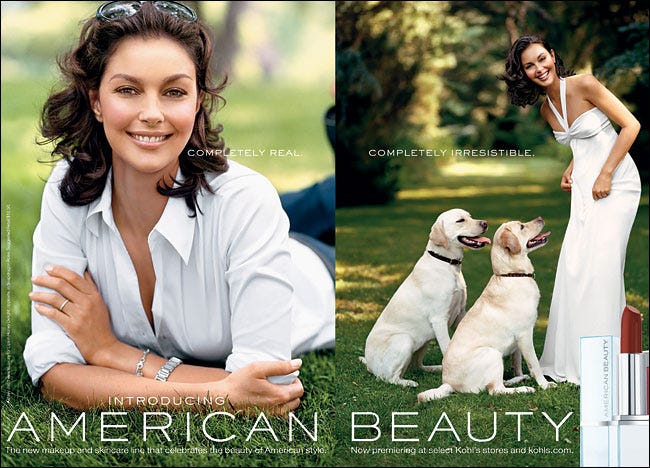
It is worth remembering why department stores lease out beauty in the first place. In arrangements like this, beauty pays the rent, generating real income for the host retailer, as leased brand footprints have for Nordstrom and others for years. That arrangement is not automatically a winner, either. Kohl’s was once in talks with Estée Lauder to expand its own lower-priced American Beauty line, launched in 2004 with Ashley Judd as the face, before Kohl’s shifted direction entirely toward Sephora and the line was phased out. Beauty real estate is valuable, but it is not a guarantee for the tenant or the landlord.
Assortment and design are not the whole equation, and neither is a familiar name on the door. What built Sephora’s authority elsewhere took years of specialized service, a testing culture, and a loyalty infrastructure, and Target is not importing all of that simply by stocking Ulta’s SKUs on its shelves. The Beauty Studio assortment suggests Target has learned the brand-mix lesson, pairing recognizable names with a price point she can defend, but time and sustained investment are the ingredients no press release can announce in advance. Know-how and design ethos get a launch. Whether Target commits to this like a real specialty business over the long run is the actual open question.
The Target Run
Target has done this before, more convincingly than most. Sonia Kashuk, Cindy Crawford’s makeup artist, built a Target-exclusive line whose powder once genuinely rivaled Laura Mercier or T. LeClerc, with foundations and concealers that introduced mass consumers to real yellow-toned shade matching, before the line was eventually reduced to little more than brushes and travel bags. Target also brought in Boots in 2004, giving American customers a No7 they would otherwise have needed a plane ticket to London to find in the early aughts. That is the bar Target set for itself.
Walmart is now chasing the same instinct. It has expanded its premium beauty offering with a dedicated online marketplace carrying brands like ColorWow and Foreo, rolled out in-store beauty bars to hundreds of locations, and brought in prestige-adjacent names like Madison Reed at real scale. Beauty Studio is not just Target settling an old score with Ulta. It is Target trying to stay ahead of Walmart in the same fight.
Target also has a structural advantage: the Target run. Nobody drives to Target only for beauty the way they once drove to Sephora. They go in for Honest diapers, a Chobani Hazelnut Creamer, and a case of Coke Zero. They wander, add a Ninja Creami they did not know they needed, and leave with La Roche-Posay Thermal Water they never planned to buy.
Target has built an entire cult following on exactly this behavior. Somewhere out there, a segment of shoppers genuinely believes a red bullseye is the height of design sophistication, and Target has never once discouraged the idea. Isaac Mizrahi is now creative director at large there as of June 2026, nearly 25 years after his original 2002 collection first sold that particular fantasy. The mandate is cross-category, not confirmed for beauty specifically, but he is no beauty outsider. He launched the Fabulous fragrance in 2012 and a 144-SKU color cosmetics and skincare line, True Isaac Mizrahi, on QVC in 2015. If he ever gets his hands on it, that would be chic, affordable, and divine, to borrow his own line, and it would be the clearest signal yet that Target is not just assembling a category but designing one. Either way, it already gets to borrow that design halo along with the built-in traffic instead of manufacturing a reason to visit. Kohl’s did not have the same everyday errand traffic and still made Sephora work, so the advantage is real, but it is a tailwind, not the deciding factor.
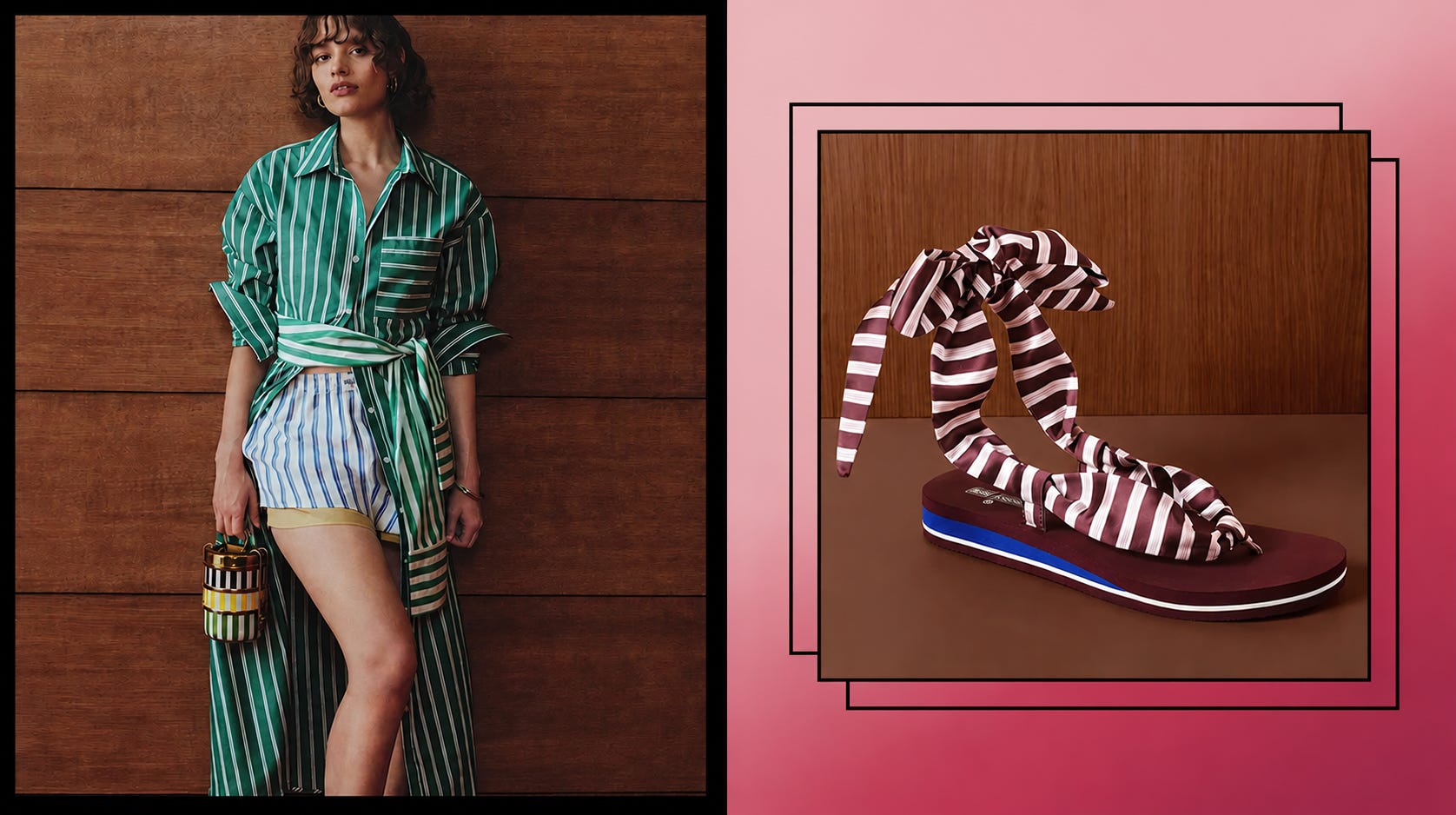
Target confirmed the instinct is still active. Rosie Assoulin launched a collection with Target on July 25, spanning dresses, tops, skirts, and accessories, most pieces priced $25 to $50. It sits comfortably next to the Kashuk and Mizrahi playbook: borrow a designer's signature, translate it to an accessible price point, let the collection prove Target still knows how to borrow taste without diluting it.
Why This Matters
This is bigger than one retailer’s shop-in-shop expiring. Mass retail is done renting beauty’s credibility. It is starting to fund the infrastructure, buying teams, and wellness tech that used to be the exclusive domain of prestige and specialty players, as well as dermatologist-branded end caps. Target is uniquely positioned for that bet, functional for one shopper, a design store to browse for another. Beauty Studio is a wager that those two customers can be served from the same shelf, and that convenience and aspiration are not actually in conflict.
That small beauty high of finding something cute you did not go in looking for is exactly the feeling Target is trying to manufacture on purpose.
The brand mix increasingly says Target gets it. Whether execution, security friction, merchandising discipline, and follow-through funding catch up to that instinct is the story worth watching over the next year, not the exit itself.

Before you close the tab: if any of this felt true, restack it. It is how Gingergeist reaches the next reader who has not found us yet.
🔄 Restack if you have ever left Target with something you did not go in for.
Or: like it, forward it to the friend who still talks about the Sonia Kashuk era, or drop your own Target confession in the comments.
📱 Follow gingergeisty on Instagram
Worked in beauty during a rebuild like this one, or have your own Target confession? Email us at gingergeisty@gmail.com. We read everything.
